

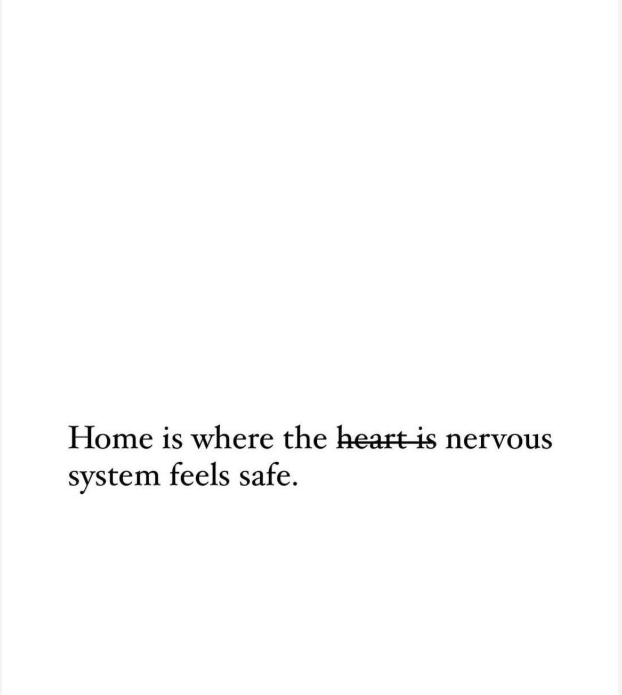
The home is not separate from productivity, creativity, or wellness. It is the container that holds all three.
It’s safe to say we’re all living similar lives—just with a few modifications based on personality, interests, and lifestyle.
Different aesthetics. Different priorities. But at the core, our desires are remarkably simple. We want a clean home. Food on our tables. And a place to land at the end of the day.
And for this, we spend our entire lives working toward what feels like a more optimized version of those simple things—of ourselves, of our routines, of the way our days unfold.
What we’re really doing is building systems.
Whether we name them or not, we are defined by the systems we build.
Our ability to create lasting, efficient home organization systems—ones that support who we are and who we’re becoming—is what allows us to move through life with more ease, more intention, and more clarity.
The most sustainable systems don’t come from trends or following rule books. They come from listening. From paying attention to how we actually live.From noticing where friction shows up and where flow already exists
Why I Start With the House
I’ve built systems across my life—time blocks that protect creative energy, workflows that make room for admin and ideation, structures that allow me to run a business while still having a full, human life.
When the house works for you, everything else moves more smoothly.
One of the biggest shifts I made was moving away from the standard organization rules and developing systems that work for my home and lifestyle.
Instead of expecting one space to hold everything, I gave each area a clear role:
- A cook zone designed purely for cooking.
- Two distinct prep zones—one for meal prep, one for morning rituals.
- A dedicated space for coffee, supplements, protein shakes, and morning elixirs—everything within reach, segmented for ease and access.
My morning tea ritual flows effortlessly now. I’m not searching through cabinets or walking back and forth across the kitchen. I move through one zone, and my morning moment happens exactly as it should.
And once you see how well this works in the kitchen, you start seeing its potential everywhere else.
Designing for the Life You’re Living
Think about how this could apply to every area of one’s life.
What if we designed zones for rest, for creativity, for connection? If we made room to store what matters, display what uplifts us, and remove what drains us? If our homes didn’t just look beautiful, but quietly reinforced who we’re trying to become?
An optimized life doesn’t come from massive overhauls. It comes from paying attention to small moments:
Where do you pause in the morning?
What do you reach for first?
Where does friction show up daily?
What objects, textures, and rituals make you feel grounded?
When we design systems around those answers, our homes begin to support us instead of asking more from us.
And that’s how we move closer—to ease, to clarity, to fulfillment. By designing better systems for the life we’re already living.
0 Comments