

Features, Plans & Where This Is All Going
Yes, it’s late to be starting a garden in March. Yes, I should be planting seedlings by now instead of sketching out arbors and researching flower bombs. But when there’s a will, there is absolutely a way.
After two years of prioritizing pure function, I’m ready to do both at once: grow things and make the space beautiful while I’m at it. Thankfully, I have all the help I need. A kind, hardworking partner who handles the heavy lifting while I hold down what I like to call the soft parts of the project.
For the garden, that’s everything before the doing — the planning, the decision-making, the plant mapping. The part where you sit with a notebook and a cup of something warm and figure out what you actually want.
Here’s a look into what I’ve been cooking up.
Where We’re Starting From
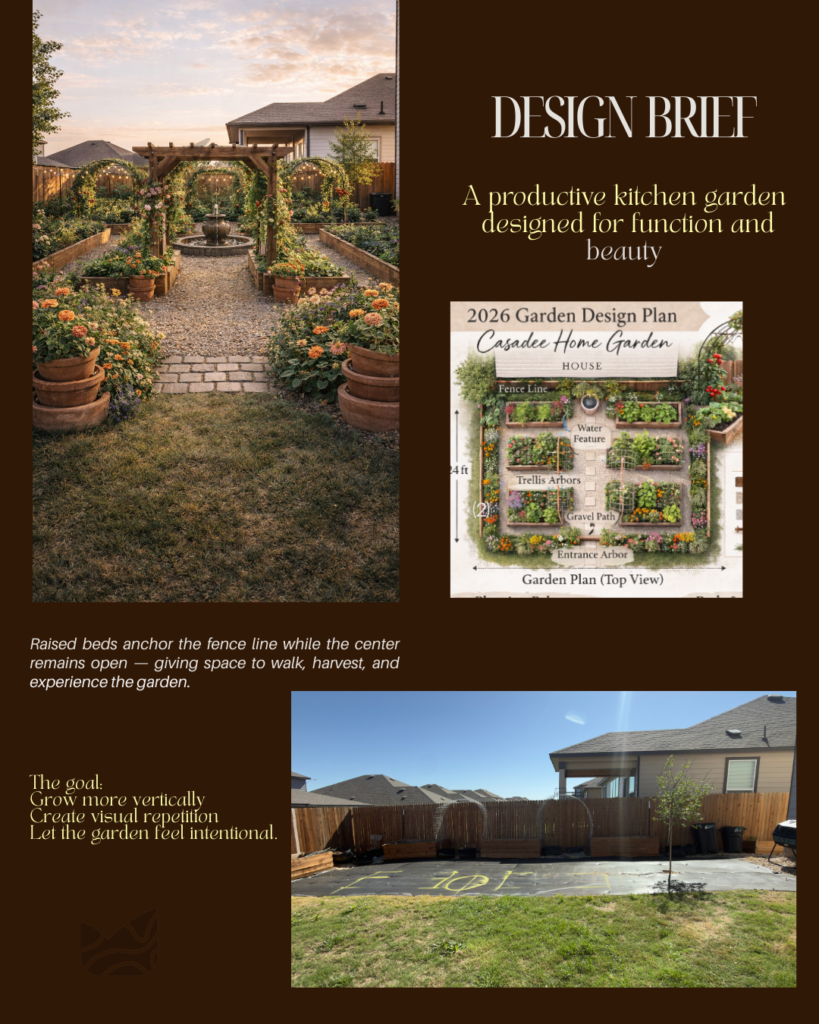
The garden as it exists right now. Beautiful potential, chaotic present.
Two seasons in, and the edible garden has been purely about output — what grows, what feeds us, what survives. It works. But it doesn’t feel like anything yet. That changes this year.
We’re expanding the edible area and layering in features that are primarily aesthetic but pull double duty — supporting pollination, plant support, and honestly just making this a place I actually want to spend time in.
The Structures — Arbors & Trellises
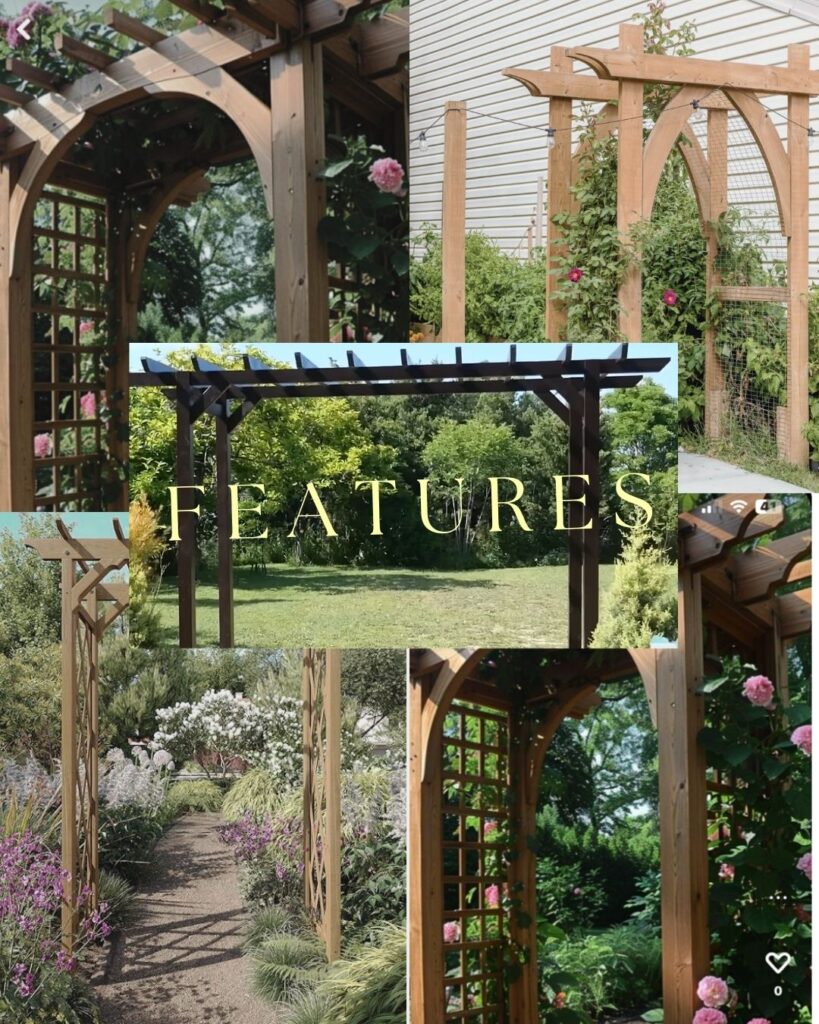
Inspo: warm wood tones, lattice detail, enough structure to feel intentional without being rigid.
I’m ready for a proper entrance element. An arched arbor that announces the garden as a space worth entering and gives my passion fruit somewhere to grow.
Beyond the main entrance arch, two smaller arbors on either side will serve as trellises for tomatoes and other fruiting plants.
The Water Feature — Sound, Movement & Pollinators
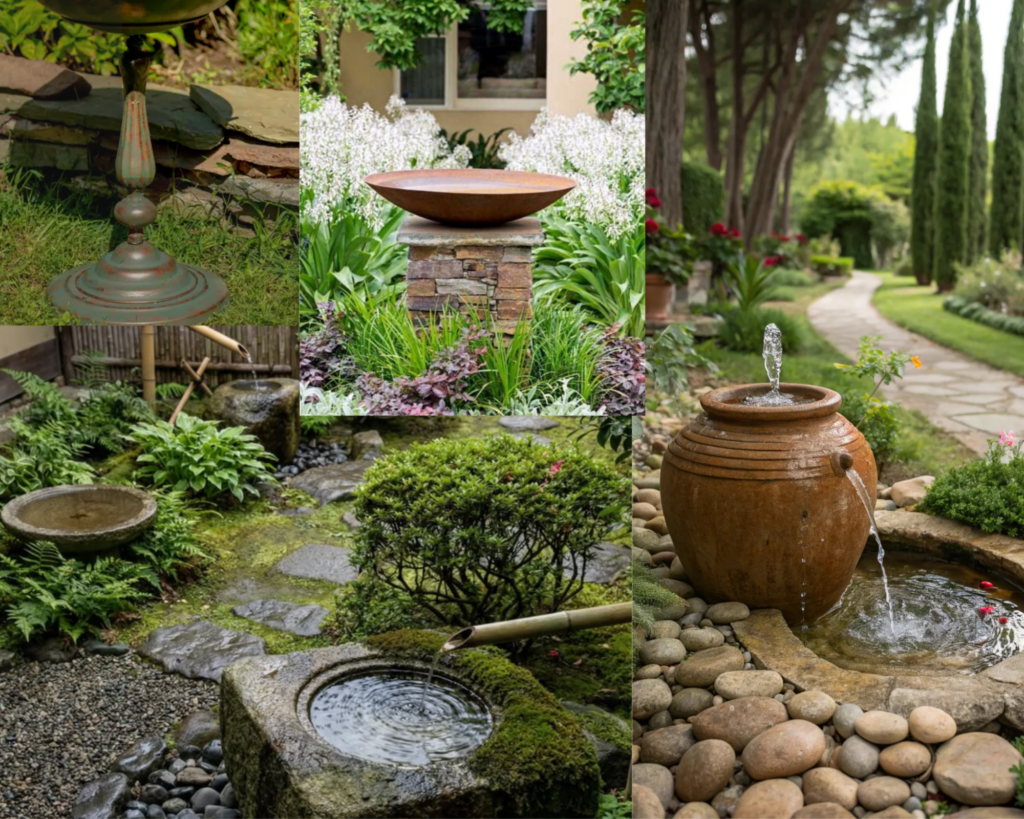
Inspo: terracotta urns, stone basins, the kind of water that sounds like zen
A small water feature tucked in between the smaller arches — a bubbling urn or a shallow basin — would do three things: attract pollinators and birds, add the kind of ambient sound that makes a garden feel alive, and create a beautiful focal moment between both structures.
The Wildflowers & Herb Garden — The Part I’m Most Excited About
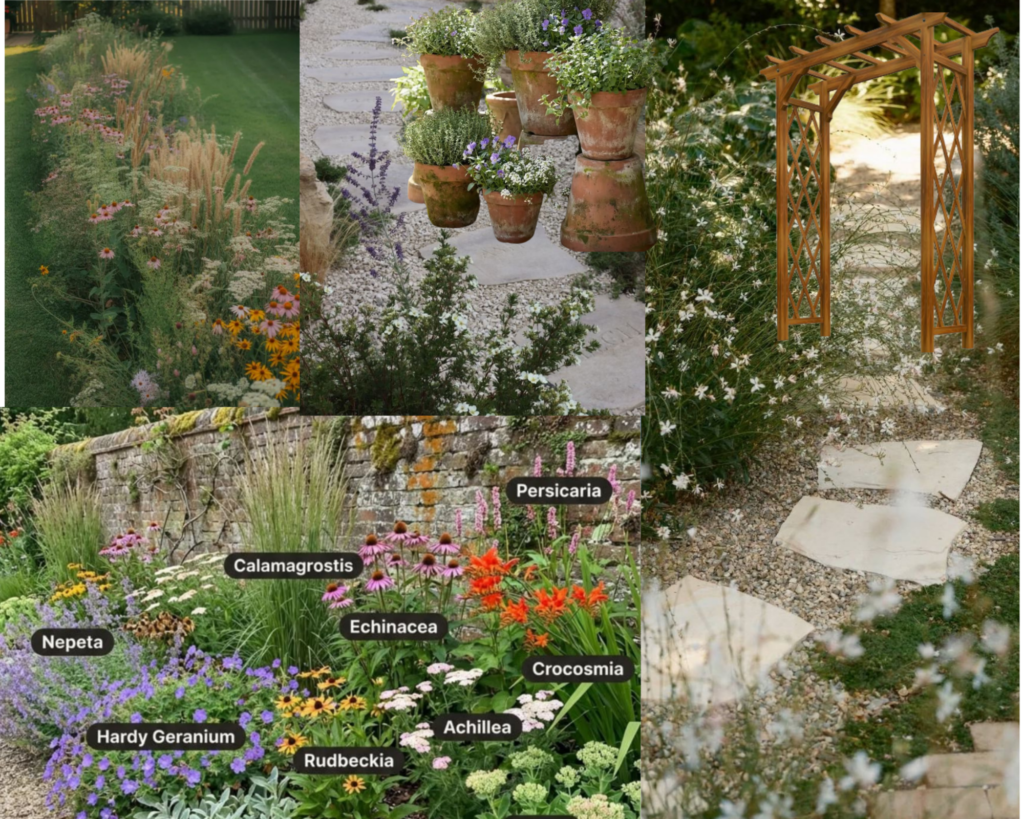
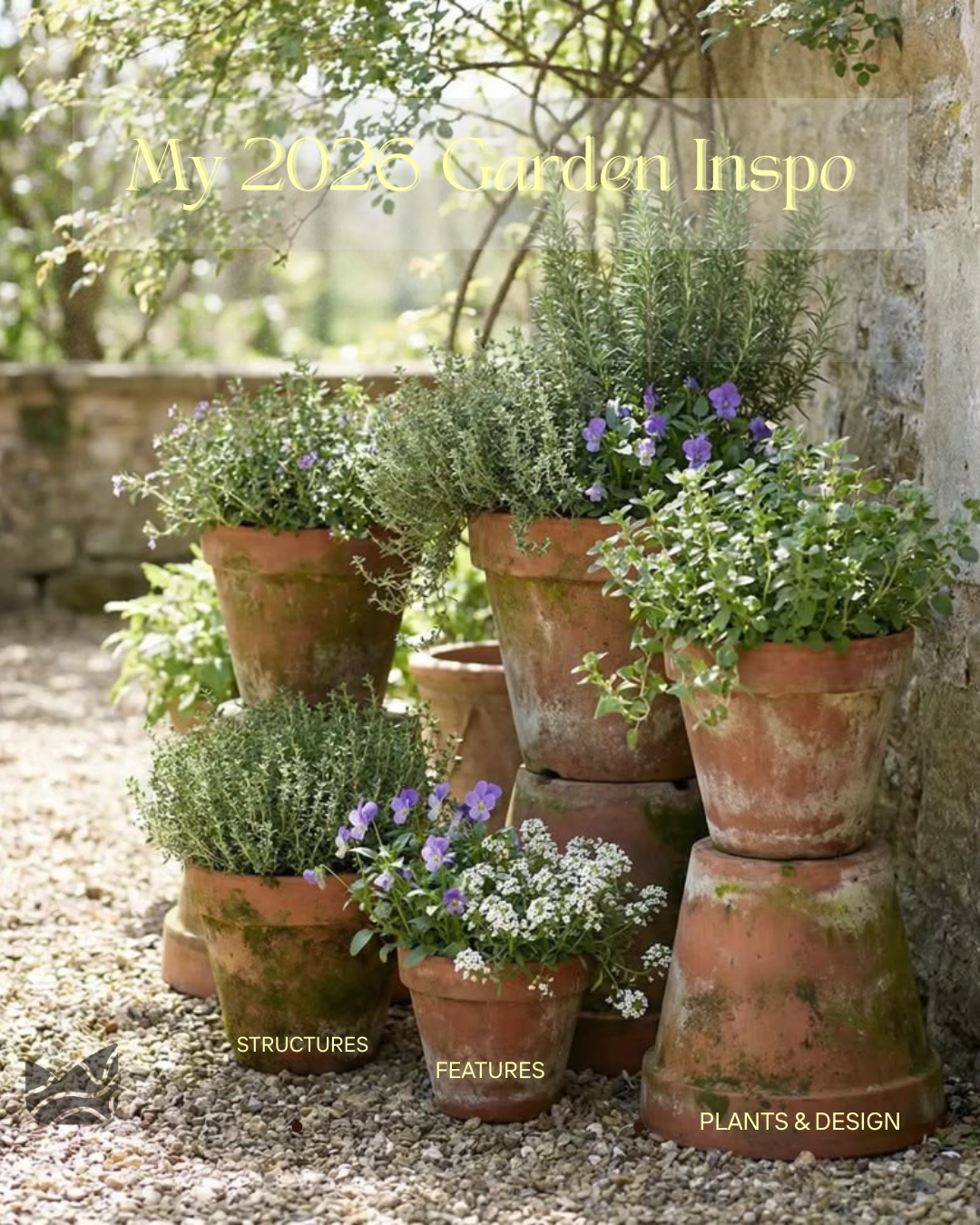
Inspo: wild-planted borders, terracotta herb stacks, and the Tuscan garden aesthetic
I stumbled across the concept of flower bombing in Martha Stewart’s gardening handbook, and something clicked. The idea of creating intentional, layered cut flower moments along the borders and bed edges — not a formal border, just something designed to feel wild and abundant.
Think echinacea, rudbeckia, nepeta, achillea. Pollinator-friendly, visually textured, soft at the edges.
Alongside the wildflowers, I’m leaning into a Tuscan-Mediterranean moment for the herbs. Layered terracotta planters — different heights, aged finish — grouped together to create a dedicated herb garden that feels like it belongs somewhere in the south of France. Or at minimum, a very nice backyard in Austin.
The combination of wild flower edges and structured terracotta stacks is the kind of contrast that makes a garden interesting. One is controlled, one is released. Together they should feel like a place someone actually designed with care.
I’m looking forward to the bounty of the season, but even more to a garden that feeds us twice — once at the table, and again every time we look at it.
0 Comments