

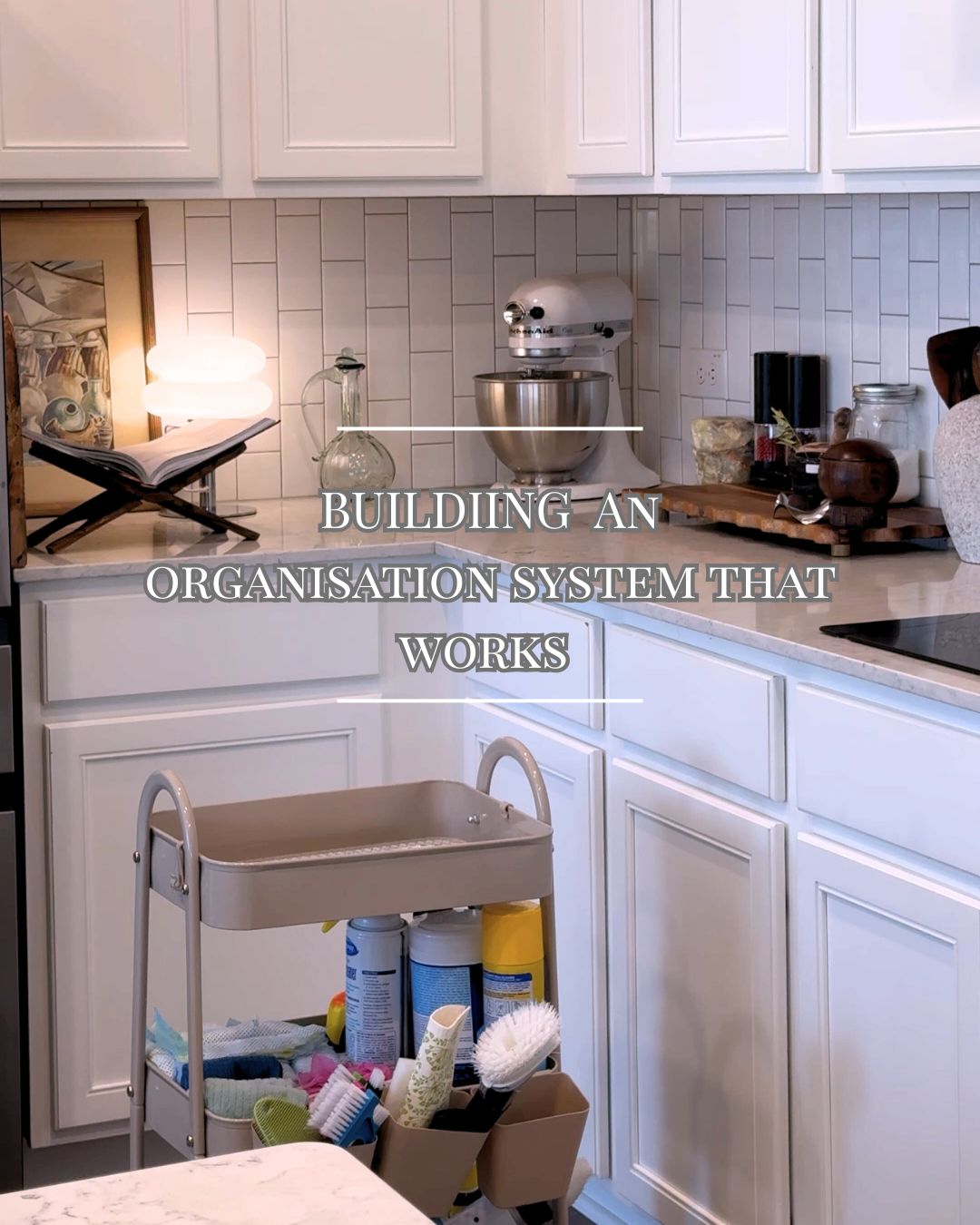
Designing an organized life starts with building systems. Not schedules, not willpower, not the right productivity app — systems.
A home organization system is simply the set of structures you put in place so that something happens reliably, without having to decide to do it from scratch every time. It’s the difference between a kitchen that stays functional and one that requires a full reset every weekend. Between a morning that flows and one that begins with ten minutes of searching for things.
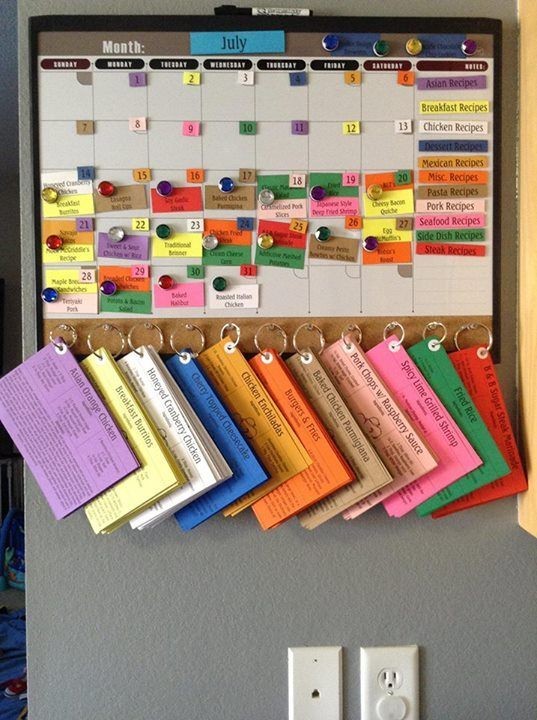
Most of us already have systems — we just haven’t named them that. The way you load the dishwasher. The corner where everything from your bag lands when you get home. The order you move through a room when it needs to be tidied. These are systems.
An organization system that works does three things:
- Removes the decision that stops you from starting
- Fits the time you actually have
- Is contained so it doesn’t grow into something you’ll avoid
If you haven’t found that in your daily life yet, keep reading.
If a system breaks down, the cause is rarely discipline or motivation — it’s how the system was designed to function in real life.
Maybe you got a promotion and your schedule no longer allows for the same rhythm. Maybe you moved, or started living with someone, and you’re still building a new one together. Friction doesn’t always mean failure — sometimes it means it’s time to pivot, adjust, and refresh.
The right question isn’t, “Why can’t I keep up?”
It’s, “Does this still fit the life I have right now?”
There’s a distinction between a routine that’s fallen away because of avoidance, and one that’s fallen away because it genuinely doesn’t function anymore. The first needs recommitment. The second needs to be rebuilt from scratch.
The tell is usually friction.
If you find yourself dreading a routine that used to feel manageable — if you’re skipping steps not out of laziness but because they genuinely don’t fit the way your time or space works now — that’s obsolescence, not a character flaw. The system has stopped serving you.
The answer to obsolescence is not harder effort. It’s redesign.
Rebuilding a Routine That Actually Works
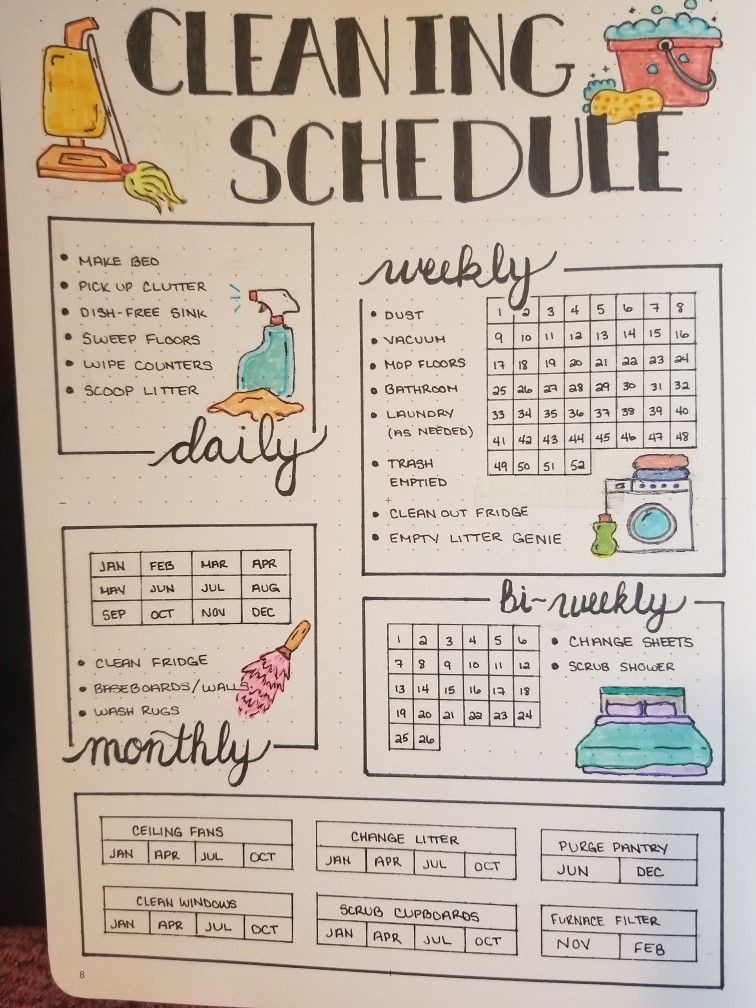
Cleaning is a useful place to explore this idea because it’s one of the most universally dreaded home tasks — and one of the most commonly broken systems.
When I moved from a smaller space to a larger home, my old cleaning routine stopped working almost immediately. What used to take 20 minutes suddenly required planning ahead. What felt manageable became overwhelming and impossible to see thorugh. A bigger space called for a refresh.
So I rebuilt my routine from scratch.
Here’s what that homekeeping system looks like now:
A Cleaning Caddy
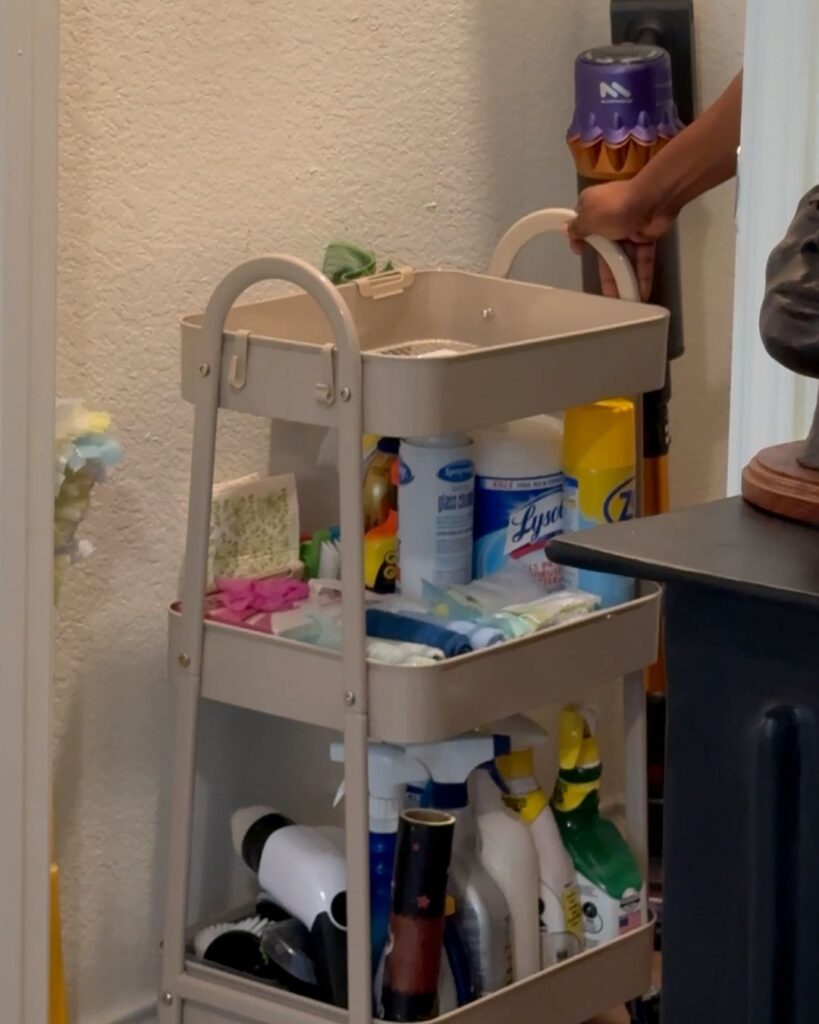
Everything lives in one place. I move room to room without hunting for supplies.
One of the most underestimated sources of friction in any cleaning routine is the setup cost — the time spent locating supplies before you can even begin. That single shift removed most of the resistance between deciding to clean and actually starting.
A 10-Minute Reset (Twice a Day)
Ten minutes in the morning. Ten in the evening.
This creates rhythm without requiring large blocks of time that don’t exist on most days. The constraint is the feature. A 10-minute daily reset can happen before work, after dinner, or in the middle of a Wednesday.
A Physical Checklist
Lives in the caddy. Marked with a dry-erase marker.
The checklist is already in hand when I start. It’s built around my actual space and where I naturally like to begin — not a generic cleaning checklist pulled from the internet.
Dividing the Labor – A deep clean after the professionals
Professionals handle the baseline deep clean.
I handle what they skip: the dishwasher filter, refrigerator shelves, the washing machine, baseboards, appliances.
These are the quiet maintenance tasks that prevent deterioration and shape how a home actually feels.
The Bigger Principle
This post is technically about home organization. But it’s also really about designing systems that fit your life.
Routines stop working — not because of failure or lack of discipline — but because life changes. And systems built for the previous version of your life don’t automatically update.
Don’t be afraid to rebuild as many times as you need.
Design for the life you have now.
Not the one you used to have.
And not the one you’re working toward.
Those are different briefs.
Only one of them is actionable today.
0 Comments