

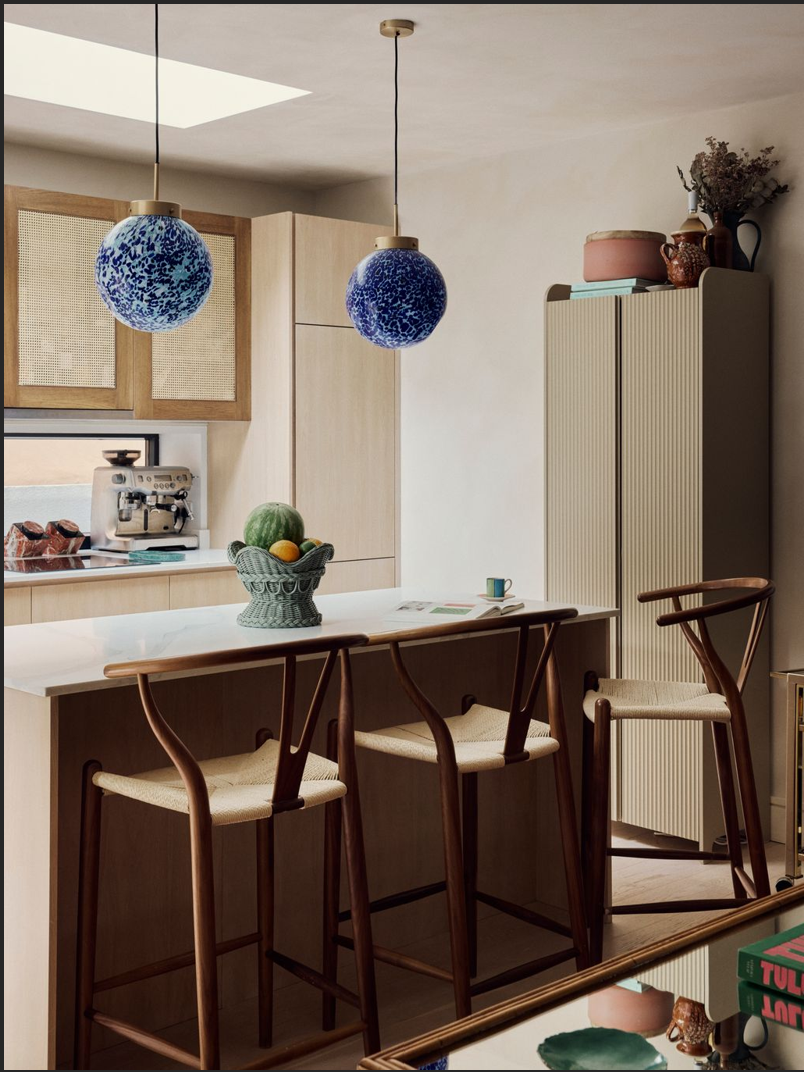
When you don’t know where to Start
There’s a specific kind of defeat that comes with standing in a room that doesn’t feel like you and having absolutely no idea how to change it.
Here’s what I want you to sit with before we get into any of this: that feeling of unrest in your space isn’t a sign that something is wrong with you or your space. It’s a sign that you care. That you want more for yourself than a space that just functions. That’s not a problem. That’s actually the exact right place to start.
Truth is we’ve all been there. More than once. And for a long time, I thought the problem was taste — that maybe I just didn’t have a clear enough sense of what I liked to make decisions that felt right. What I eventually figured out is that it wasn’t a taste problem at all. It was a feeling problem.
The problem is that we struggle to understand how we want our homes to feel.
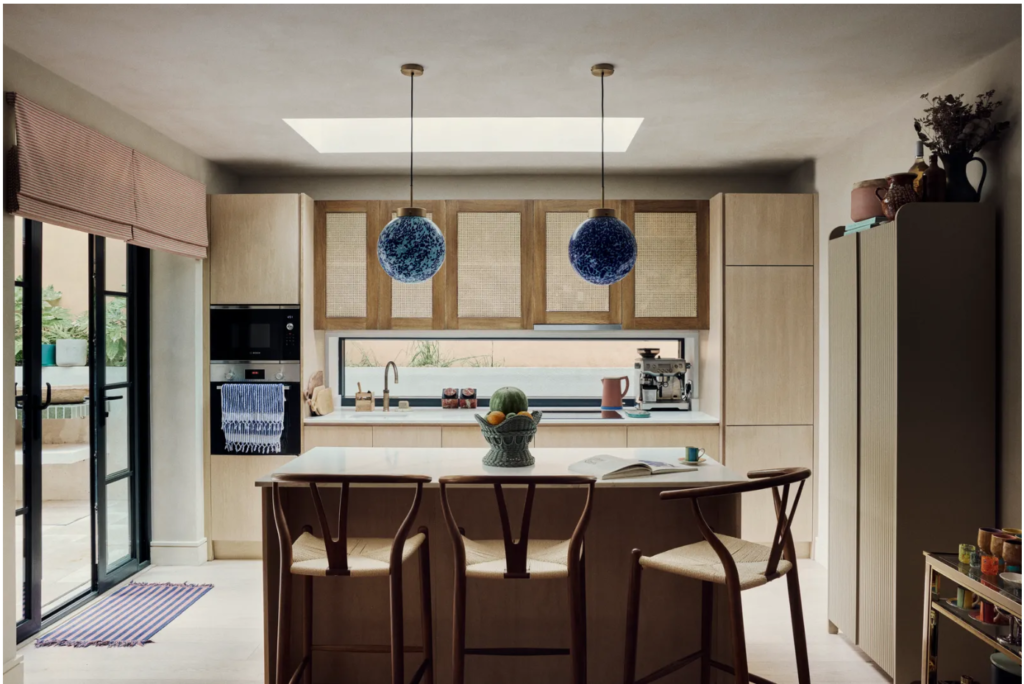
Photography by Mark Anthony Fox
Most of us reach for Pinterest or Instagram the moment we feel stuck. And then we fall into the same trap: we save what looks beautiful instead of asking why it looks beautiful to us.
Three hundred saves later we have a board containing a wabi-sabi Japanese interior, a maximalist Parisian apartment, a Scandinavian minimal kitchen, and a cozy English country living room. All beautiful. None of them a direction. And the overwhelm gets worse, not better, because now we have more beautiful things we can’t explain and still no sense of where to start.
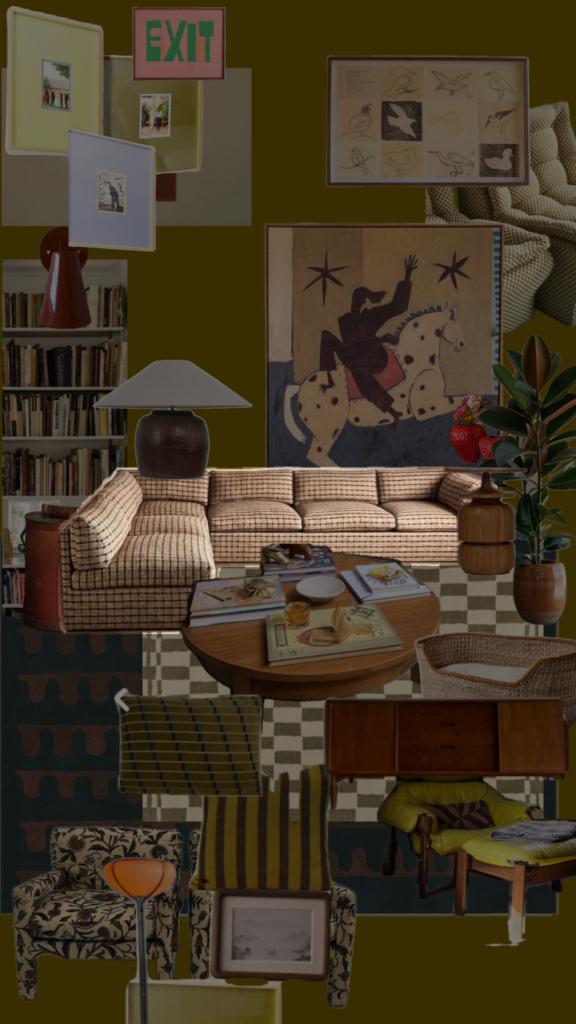
The app isn’t the problem. The way we’re using it is.
Pinterest is a discovery tool, not a shopping list. The shift that helped me was slowing down on anything that stopped my scroll — not to save it immediately, but to ask why it stopped me. Was it the color? The texture of the materials? The quietness of the space? The absence of clutter — or the presence of it? The way the light was falling? The cultural references in the objects? Something about the scale of the furniture against the walls?
The more specific you can get about why something catches you, the closer you are to understanding what your space actually needs. You’re not looking for a style to copy. You’re looking for a feeling to name.
Test before you commit to anything
Once you start seeing patterns in what stops your scroll, the next temptation is to go immediately buy things. This is where most people lose money and end up living with choices they don’t love.
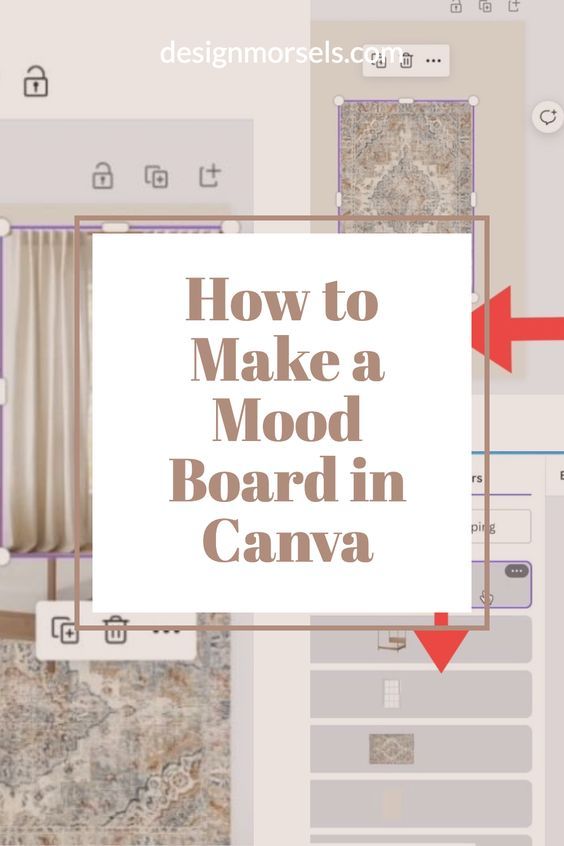
What helped me was building rough mock-ups before spending anything. Canva is useful for this — pull images of furniture, color swatches, textures, objects you’re considering and put them on one canvas together. You’ll see quickly what works and what fights.
Even simpler: your phone’s copy-and-paste feature. Take a photo of your room and layer images of potential pieces on top of it. It’s imperfect but it’s usually enough to tell you if that sofa is going to be too heavy for the space, or if the rug is the wrong scale, before you’ve spent a single dollar.
Mock up the mock up before the mock up. The more you test before you spend, the fewer decisions you’ll be undoing in six months.
The reminder I had to keep giving myself
It takes time to build a space — not because we are indecisive, but because taste develops through living. Through trying things. Noticing what works and what doesn’t.
You are not behind.
The unrest you feel when your space doesn’t feel like you yet? That’s not urgent. That’s the feeling that keeps you looking deeper, past what looks nice and toward what would actually make you feel at home. Feed it. Let it ask more of you.
0 Comments