

Research shows that working with our hands can activate a state remarkably similar to meditation. Focused handwork has been linked to:
- Reduced activity in the Default Mode Network of the brain, which is responsible for mind-wandering
- Increased alpha wave activity, associated with relaxation and present-moment awareness
- Decreased cortisol levels, indicating reduced stress
- Increased production of dopamine and serotonin, neurotransmitters associated with satisfaction and well-being
In short, when we engage in focused creation with our hands, we’re not just making things—we’re entering a physiological state of calm and presence that’s rare in our hyper-digital world.
In a world where you can be anything, be someone who makes things with your hands.
In a world that celebrates and rewards multitasking, making things forces single-tasking. You simply cannot text while operating a jigsaw or scroll social media while drilling a hole in a wall. This forced focus is increasingly rare and deeply valuable.
Beyond inducing a meditative state, making things with our hands can be genuinely therapeutic. Studies in art therapy and occupational therapy have long recognized that creative manual activities can help:
- Process emotions that might be difficult to verbalize
- Build resilience through problem-solving and adaptation
- Develop self-efficacy through completing challenging projects
- Create tangible evidence of growth and capability
- Establish healthy coping mechanisms for stress and anxiety (My personal favorite)
The true value of making isn’t just in what you create, but in who you become through the process of creation.
I’ve experienced this firsthand. On days when life felt too loud or too digital, I’ve found solace in working with my hands—building, sculpting, creating. The clarity of seeing something take form, the grounding rhythm of repetition, changed my life forever!
If you’re feeling called to explore making things, I highly recommend you just start. Choose a project that speaks to you, create the space and time to engage with it fully, and pay attention to the mental state it creates.
Making things will change you
Simple Projects for your exploration
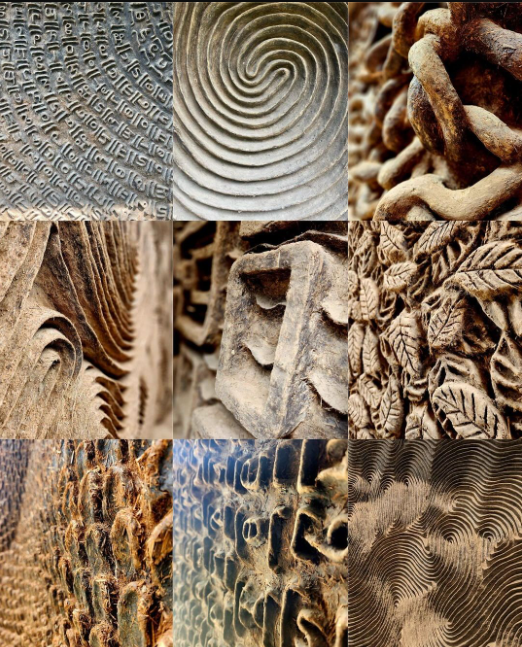
Texture Exploration
- A simple canvas and joint compound (drywall mud)
- Air-dry clay formed into small vessels or objects
- Textured painting techniques using everyday tools like combs or sponges
Repetitive Creation
Some of the most meditative making involves repetition—the same action performed with slight variations, creating a rhythm that quiets the mind:
- Simple hand-stitching on fabric
- Creating patterns with stamps or stencils
The key is to choose projects that interest you enough to hold your attention but aren’t so complex that they create frustration rather than flow. Observe how your thoughts shift. Feel the weight of your body in the present moment.
This is the heart of maker’s meditation – not the objects you create, but the state of being you cultivate through the act of creation.
0 Comments