

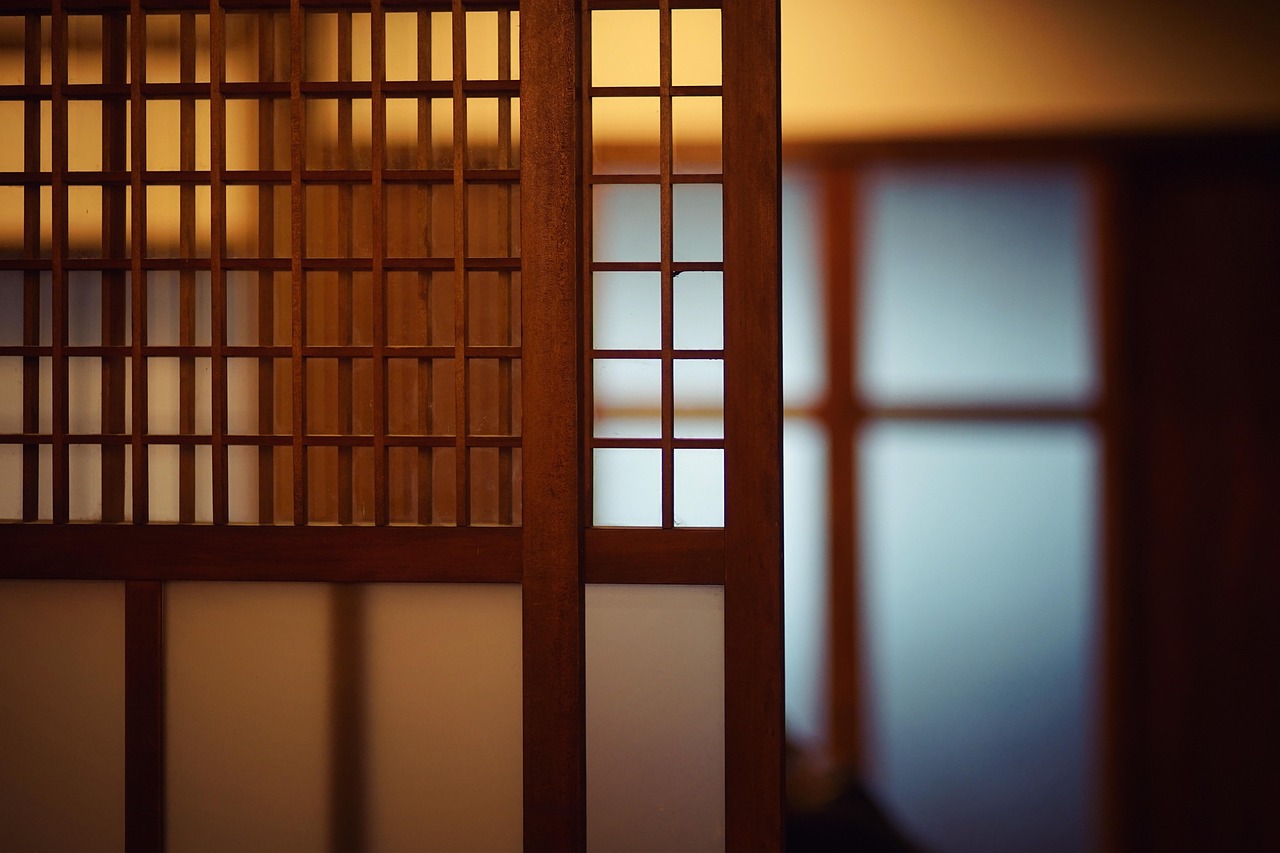
When I first stumbled across Wabi-Sabi, it was introduced to me as a design style. But even then, I was in awe of the way it embraced imperfection and beauty at once. The more I learned about the philosophy, its origin, and history, the more I realized I had discovered something far more meaningful than just a design style.
Today, Wabi-Sabi is the lens through which I view my home, my creativity, and even my day-to-day rhythm.
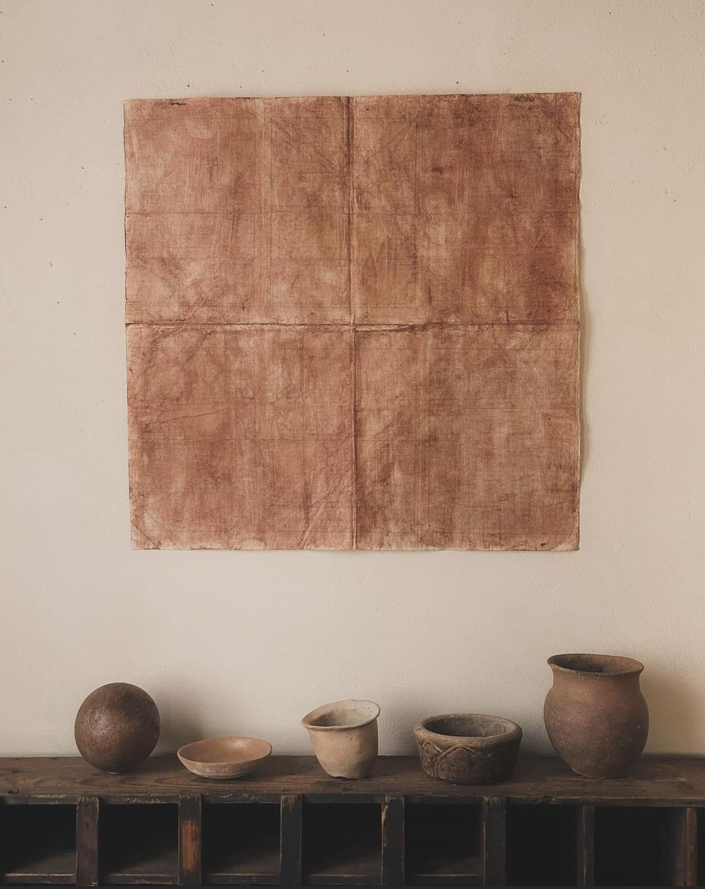
At its core, Wabi-Sabi is a Japanese philosophy that teaches us to embrace imperfection, transience, and simplicity.
It’s composed of two distinct concepts that, together, create a powerful lens for seeing the world:
Wabi (侘) originally meant loneliness or solitude, but evolved into a celebration of simplicity and natural imperfection. Think of a handmade ceramic cup with a slightly uneven rim that tells the story of its maker. Rooted in Zen Buddhism, Wabi invites us to find contentment in the unadorned.
Sabi (寂) is about the beauty that emerges with age and use. It’s the stories told by worn wooden floors, the character in aging metals, worn books, the wisdom in silver hair. Sabi honors the grace that comes with use, aging, and natural decay.
Together, these concepts remind us that everything is impermanent, incomplete, and imperfect – It’s an invitation to view our homes and our lives as evolving canvases. To embrace the idea that nothing is ever truly finished. That’s where true joy resides.
The History
The history of wabi-sabi has deep roots in Zen Buddhism and Japanese tea culture. It all started when Zen Buddhism arrived in Japan during the 12th century, bringing with it ideas about simplicity, beauty in imperfection, and mindfulness. It was in the tea rooms in Japan that these philosophical concepts first came alive.

The Japanese tea ceremony became this sacred space where Wabi-Sabi principles were practiced through deliberate gestures and thoughtfully chosen objects. In the 1500s, tea master Sen no Rikyū led this revolution. He rejected the ornate, expensive tea bowls in favor of rustic, imperfect ones, believing their “flaws” told richer stories. He wasn’t just making tea; he was shifting a culture’s definition of beauty.
Wabi-Sabi has since extended beyond tea rooms into daily Japanese life, shaping architecture, interior design, art, and even everyday rituals
Today, you’ll find Wabi-Sabi’s influence everywhere—interior design, architecture, art, photography. But more than just an aesthetic choice, it’s become particularly relevant in our modern world where many of us are seeking alternatives to the culture of excess and perfection.
Wabi-Sabi to Me
Over time, I have developed a way of living guided by this philosophy that now shapes every part of how I build, live in, and keep my home. These 5 principles embody my new way of living.
1. The Intentionality in Homemaking
I have no concept of a finish line for my home – like me, it is always becoming. Wabi-Sabi invites me to slow down, listen, and live in the present. I’ve learned to resist the urge to fill every corner, and instead, honor the time it takes to layer meaning, memory, and function.
A home isn’t built in one weekend – it’s shaped by what we learn about ourselves as we live in it. This principle reminds me that home isn’t something to complete – it’s something to return to, nurture, and evolve with.
2. The Balance of Beauty and Functionality
In my practice of Wabi-Sabi, beauty and practicality are intertwined – my goal every day is to find joyful moments. My everyday rituals are shaped by items that serve and delight me. A beautifully designed salt cellar. A perfectly sized matcha cup. A soft towel that gets better with every wash. Function becomes ritual, and that’s where joy lives.
3. The Joy of Everyday Moments
Wabi-Sabi taught me to fall in love with the mundane. Life’s poetry lives in its smallest gestures: I now pay attention to the way light enters the room at 8am. The hum of my kettle. The scent of clean laundry. Wabi-Sabi teaches me to notice these things, and in doing so, to honor them. Joy is often waiting right here, if we’re paying attention..
4. Expression through Creativity
Creativity isn’t reserved for artists—it’s part of being human. Creativity, in Wabi-Sabi, is less about the outcome and more about the act of making.
Not every candle burns evenly. Not every sculpture turns into a masterpiece. But I find joy in the doing—in the moment when my hands are moving and my mind is still. That’s more than enough.
5. Finding Peace in Impermanence
This is perhaps the most important lesson. Rather than fighting life’s natural cycles, we learn to appreciate the beauty in change. Seasons shift. Things chip. Flowers wilt. Rooms evolve. I grow out of certain colors or furniture or ways of being.
Wabi-Sabi reminds me that this is not failure – it’s life. And there’s power in learning to let go.
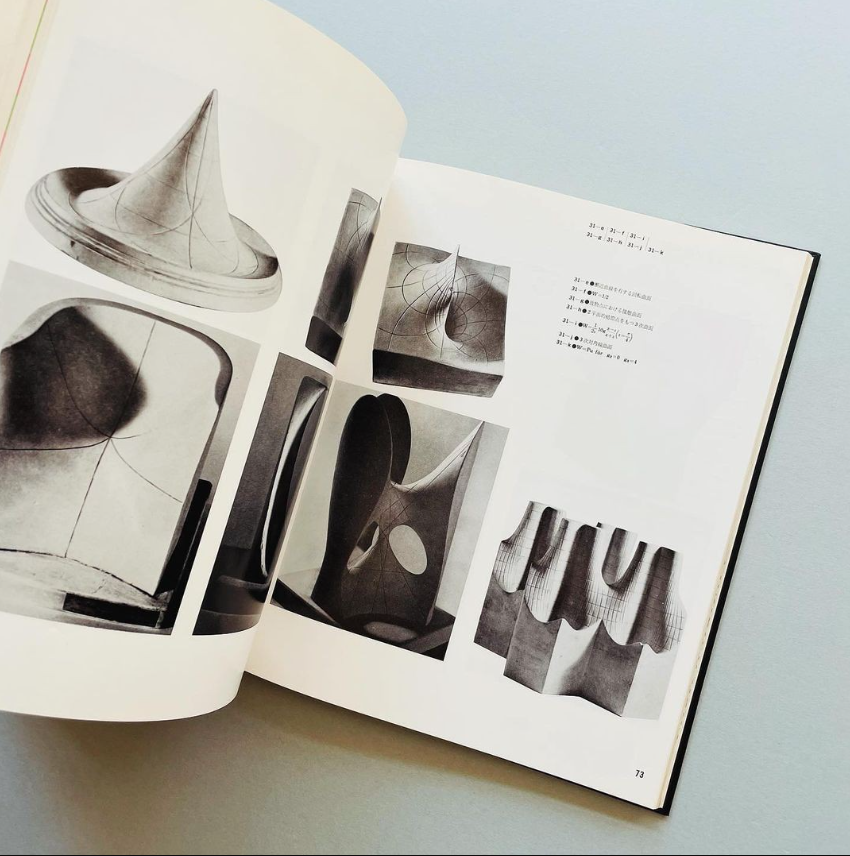
And that’s what I’m learning to build—not just a home, but a life that holds space for it all. I am learning that beauty doesn’t come from having everything done. It comes from learning how to see, from giving ourselves time, and from finding meaning in the quiet, unfinished parts of life.
Starting Your Own Journey
If this philosophy resonates with you—whether you’re looking to approach your home differently, reignite your creative practice, or simply slow down—I highly recommend and encourage you to simply begin exploring.
Resources to help you get started:
- Wabi-Sabi: For Artists, Designers, Poets & Philosophers by Leonard Koren
- The Things You Can See Only When You Slow Down by Haemin Sunim
- Wabi Sabi: Japanese Wisdom for a Perfectly Imperfect Life by Beth Kempton
- Still: The Slow Home by Natalie Walton
- The Book of Tea by Kakuzō Okakura
0 Comments